Heel pain that is worst on the first steps of the morning is usually plantar fasciitis; pain at the back of the ankle is often Achilles tendinitis. At Halcyon both are scanned with ultrasound and usually treated with prolotherapy or a regenerative injection placed under ultrasound guidance. Treatment is under local anaesthetic as day care, and you walk out the same day.
What is foot and ankle pain?
Foot and ankle pain is pain in the heel, the sole, the arch or around the ankle. The two commonest causes seen at Halcyon are plantar fasciitis — irritation and thickening of the band of tissue under the foot that supports the arch — and Achilles tendinitis, which affects the large tendon joining the calf to the heel.
Both are usually overuse problems, and both tend to linger for months if the tissue is not given a reason to repair.
Common causes of foot and ankle pain
Foot and ankle pain usually comes from repeated load on the plantar fascia or Achilles tendon, more than the tissue can recover from. Common contributors include:
- Long hours standing or walking, especially on hard floors
- Running, jumping or a sudden increase in activity
- Footwear with little support or cushioning
- Flat feet, high arches or tight calf muscles
- Increased body weight, which adds load to the heel
- An old ankle sprain that left the ligaments slack
Symptoms of foot and ankle pain
Plantar fasciitis typically causes a sharp or stabbing pain under the heel on the first steps out of bed, or after sitting for a while, which eases a little as you move and returns after long periods on your feet.
Achilles tendinitis causes pain and stiffness at the back of the heel or just above it, often worse in the morning and after activity, sometimes with swelling or a tender thickening of the tendon. Standing on tiptoe or climbing stairs may hurt.
How Halcyon finds the cause
The consultant examines the foot and ankle, watches how you stand and walk, and asks about your work, activity and footwear. The plantar fascia or Achilles tendon is then scanned with diagnostic ultrasound in the same room.
The scan shows how thickened or torn the tissue is and rules out other causes of heel pain. It is then used to guide the needle to the exact point that needs treating.
Non-surgical treatment options at Halcyon
Plantar fasciitis and Achilles tendinitis at Halcyon usually respond to prolotherapy or a regenerative injection placed under ultrasound. Both aim to help the tissue repair and hold again, rather than simply quieten the pain.
Which you are offered depends on the scan. Treatment usually goes alongside stretching, loading exercises and footwear advice, so the repaired tissue is not overloaded again straight away.
- Prolotherapy — a natural irritant injected into a slack ligament or tendon to restart the body’s repair response, given as a short course of small injections with minimal downtime
- Regenerative medicine — a growth factor concentrate prepared from a small sample of your own blood, placed where the tissue has worn
What to expect on the day and after
The examination, scan and procedure can all happen in one appointment at our Kukatpally centre. You stay awake under local anaesthetic, there is no admission, and most people are home within about two hours.
Some soreness for a day or two after prolotherapy is normal. You will leave with aftercare instructions, advice on activity and footwear, and a review date. Costs are explained at the consultation, before anything is booked.
When to see a doctor
See a doctor if heel or ankle pain lasts more than a few weeks or keeps you from walking comfortably. Some foot symptoms need urgent attention instead of a clinic visit.
- A sudden snap or pop at the back of the ankle with difficulty pushing off — possible Achilles rupture, go to an emergency department
- Unable to bear weight after a fall or twist — possible fracture
- A hot, red, swollen foot, especially with fever
- A wound, ulcer or colour change on the foot if you have diabetes
- Numbness or burning in both feet that is spreading
Treatments used for foot & ankle pain
Which one is right is decided by what the scan shows, not chosen in advance.
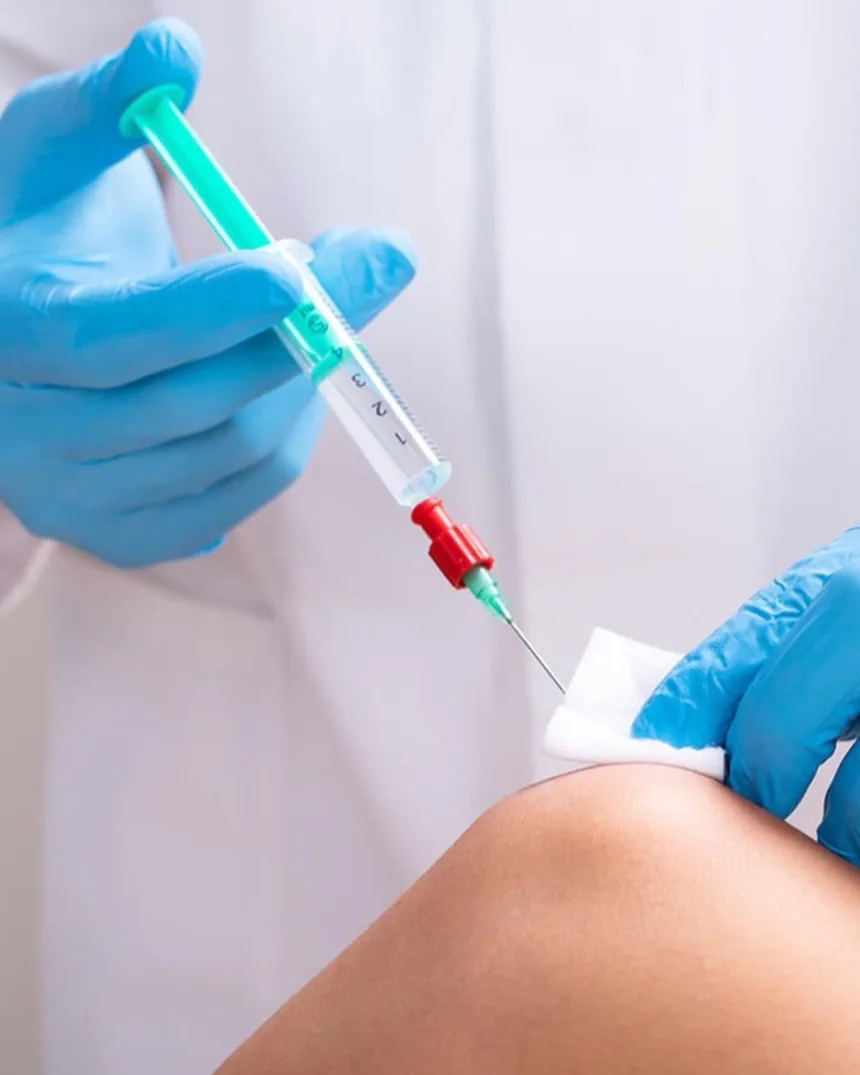 ProlotherapyProlotherapy is an injection treatment in which a natural irritant is placed into a slack or weakened ligament or tendon to restart the body’s own repair response.
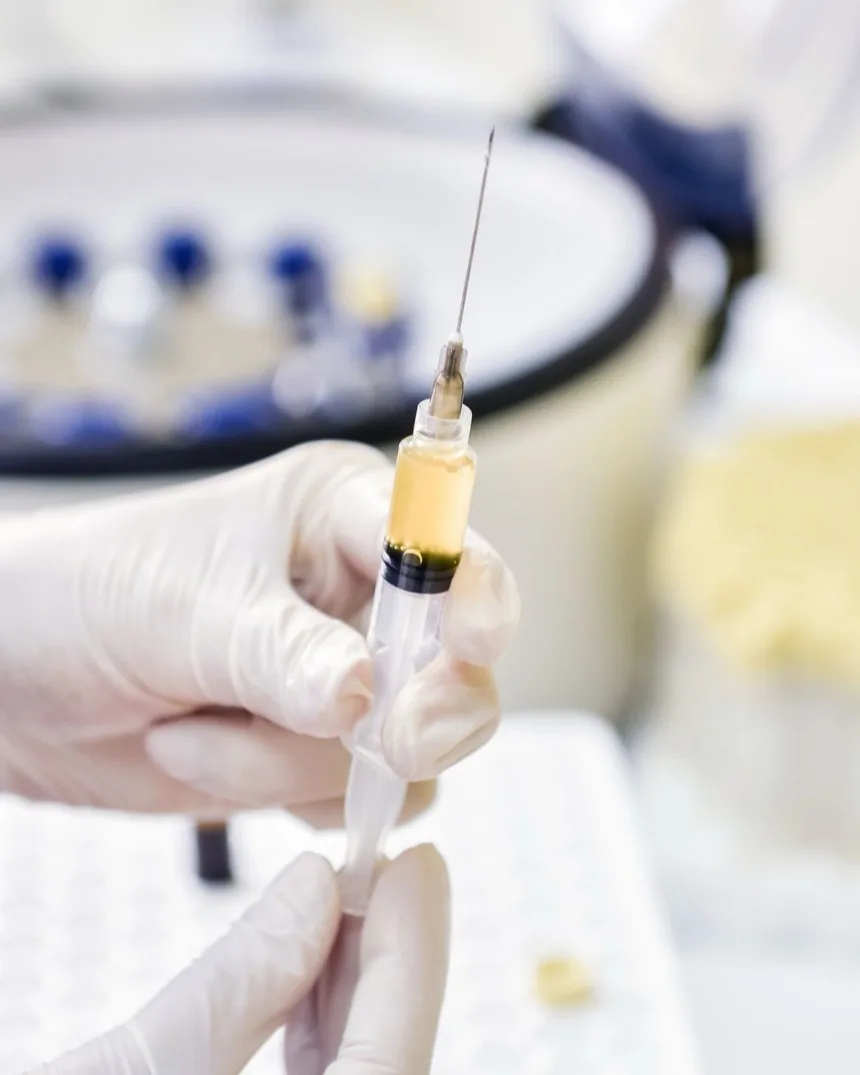 Regenerative MedicineRegenerative medicine at Halcyon means a growth factor concentrate made from a small sample of your own blood and placed under ultrasound exactly where a tendon, ligament or joint has worn or torn.
Questions about foot & ankle pain
Can plantar fasciitis be treated without surgery?
Usually, yes. At Halcyon plantar fasciitis is scanned with ultrasound and then commonly treated with prolotherapy or a regenerative injection placed under ultrasound guidance, alongside stretching and footwear advice. The procedure is done under local anaesthetic as day care, and you walk out the same day.
Why is my heel pain worst in the morning?
Overnight the plantar fascia tightens while you rest. The first steps stretch it suddenly, which is why heel pain from plantar fasciitis is typically sharpest when you get out of bed, and again after sitting for a while. It often eases a little once you have been moving.
What is prolotherapy for the heel or Achilles?
Prolotherapy is an injection of a natural irritant into a slack or overused ligament or tendon to restart the body’s own repair response. It is given as a short course of small injections under ultrasound, with minimal downtime. Some soreness for a day or two afterwards is normal.
How is Achilles tendinitis different from a torn Achilles?
Achilles tendinitis builds up gradually, with pain and stiffness at the back of the heel. A rupture usually happens suddenly, with a snap or a feeling of being kicked, and difficulty pushing off the foot. A suspected rupture needs urgent assessment at a hospital rather than a clinic appointment.
Will I be able to walk after the injection?
Yes. You walk out after the procedure and most people go about a normal day. The consultant will tell you how much to ease off standing, running or sport while the tissue repairs, and what footwear or exercises will help before you leave.
How do I book an appointment in Hyderabad?
Call Halcyon on +91 77880 91092, Monday to Saturday, 9 am to 6 pm. The centre is at Kukatpally Y Junction, above the Max showroom on Moosapet Road. Bring any X-ray or scan reports, a list of your medicines and notes from earlier treatment for your foot.
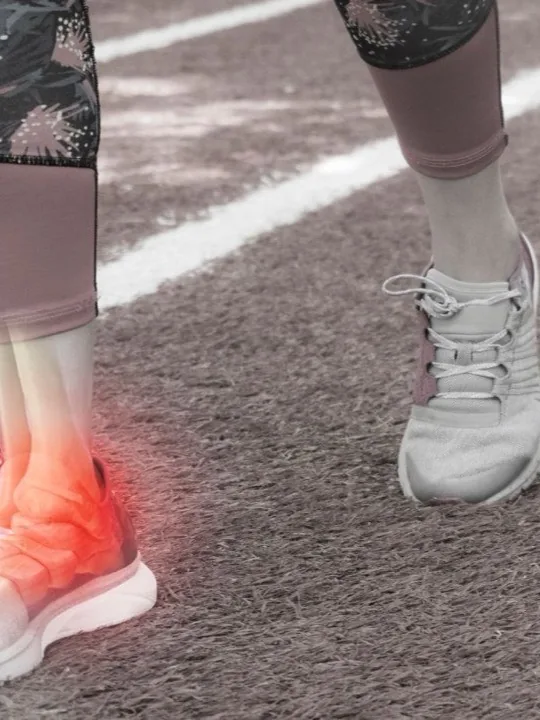 Sports Injuries
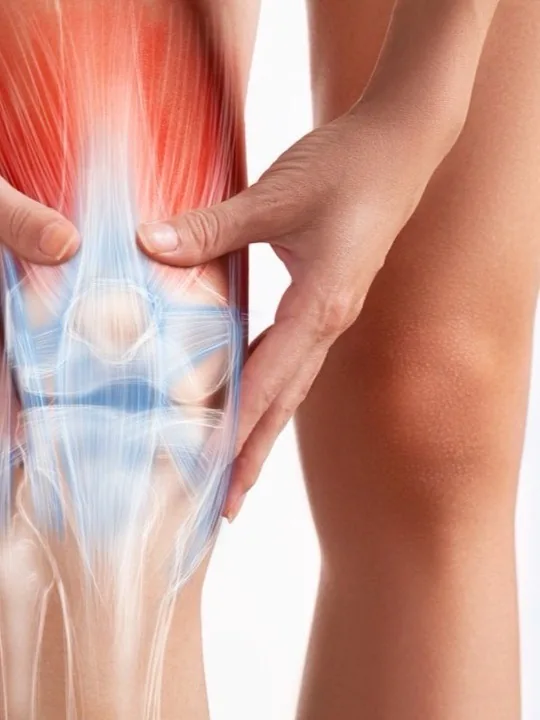 Knee Pain