Most long-standing shoulder pain comes from a frozen shoulder or a rotator cuff problem. At Halcyon in Hyderabad the shoulder is scanned with ultrasound in the same appointment, and depending on what it shows, it is treated with a suprascapular nerve block, hydrodilatation or a regenerative injection — usually alongside a movement programme so the range comes back. Procedures are done under local anaesthetic, as day care.
What is shoulder pain?
Shoulder pain is pain from the shoulder joint or the tissues around it: the joint capsule, the rotator cuff tendons that move and steady the arm, the bursa that cushions them, and the nerves supplying the joint. Because the shoulder moves so freely, it depends heavily on these soft tissues, and they are where most problems start.
Pain felt in the shoulder can also come from the neck, which is one reason the source is checked first.
Common causes of shoulder pain
These are the causes seen most often. Frozen shoulder is more common between about 40 and 60 and in people with diabetes.
- Frozen shoulder (adhesive capsulitis) — the joint capsule tightens and thickens, and movement is lost
- Rotator cuff tendinopathy or tears — from overuse, lifting, a fall or wear with age
- Impingement and bursitis — the tendons or bursa are pinched and inflamed on lifting the arm
- Arthritis of the shoulder joint
- Pain referred from the neck
Symptoms of shoulder pain
The pattern differs with the cause, but these are the usual complaints.
- Pain lifting the arm overhead or reaching behind your back
- Stiffness and a shrinking range of movement, typical of frozen shoulder
- Pain at night, especially lying on the affected side
- Weakness when raising or turning the arm
- An ache spreading down the outside of the upper arm
How Halcyon finds the cause
At Halcyon’s Kukatpally centre the consultant examines how your shoulder moves and where it hurts, then scans it with diagnostic ultrasound in the same room. Ultrasound shows the rotator cuff tendons, the bursa and the capsule directly, so a tear, inflamed bursa or tight capsule can usually be told apart in one sitting.
If the neck may be contributing, it is checked as well. Bring any X-ray or MRI reports you already have.
Non-surgical treatment options at Halcyon
Which option you are offered depends on what the ultrasound shows. The usual ones are:
Whichever is used, it is usually run alongside a movement programme, so that the range of movement freed up is kept.
- Suprascapular nerve block — quietens the main nerve supplying the shoulder joint, easing pain so you can move it
- Hydrodilatation — fluid placed under guidance into the joint to stretch a capsule that has tightened, used for frozen shoulder
- Regenerative injection — growth factor concentrate from your own blood, placed under ultrasound where a tendon has worn or torn
What to expect on the day and after
If a procedure is right for you, it is usually done in the same appointment, under local anaesthetic and ultrasound guidance. You stay awake throughout, there is no general anaesthetic and no admission, and most people are home within about two hours.
You leave with aftercare instructions, the exercises to start and a review date. Keeping up the movement programme matters as much as the procedure. How quickly the shoulder improves varies with the cause, and the consultant gives you a realistic answer for yours.
When to see a doctor
Book an assessment if shoulder pain or stiffness has lasted more than a few weeks, disturbs your sleep or stops you lifting your arm. Seek urgent care at a hospital emergency department instead for:
- Sudden left shoulder or arm pain with chest pain, breathlessness or sweating, which can be a heart problem
- A fall or injury after which the shoulder looks deformed or you cannot move the arm
- A hot, swollen, very painful shoulder with fever
Treatments used for shoulder pain
Which one is right is decided by what the scan shows, not chosen in advance.
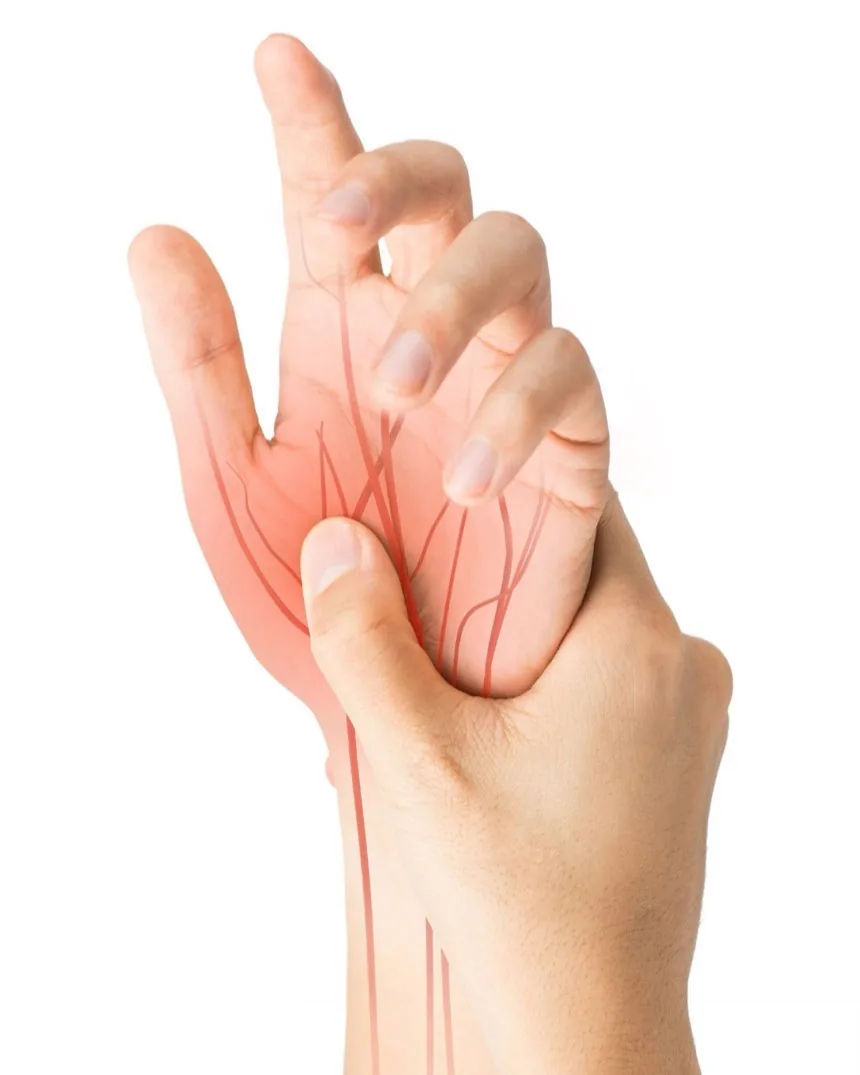 Nerve Hydrodissection & Nerve BlocksNerve hydrodissection uses fluid, placed under ultrasound, to separate a trapped nerve from the tissue pressing on it, leaving the nerve itself intact.
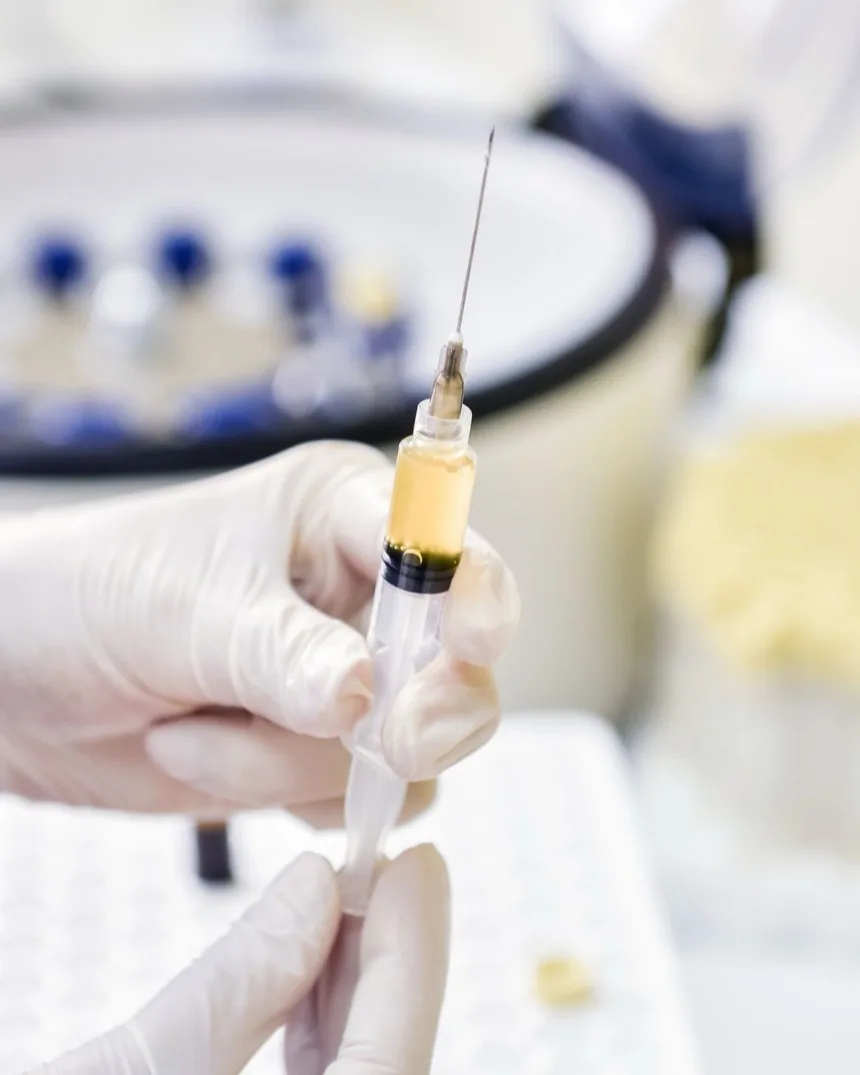 Regenerative MedicineRegenerative medicine at Halcyon means a growth factor concentrate made from a small sample of your own blood and placed under ultrasound exactly where a tendon, ligament or joint has worn or torn.
Questions about shoulder pain
Can frozen shoulder be treated without surgery?
Usually, yes. At Halcyon, frozen shoulder is treated with a suprascapular nerve block to ease the pain and hydrodilatation to stretch the tightened joint capsule, done under local anaesthetic as day care. It is run alongside a movement programme, because keeping the shoulder moving is what holds on to the range that has been freed up.
What is a suprascapular nerve block?
The suprascapular nerve supplies much of the sensation to the shoulder joint. A suprascapular nerve block places a small injection beside that nerve under ultrasound guidance, quietening the pain signal. With less pain, it becomes easier to move the shoulder and work through the exercise programme that brings back the range.
What is hydrodilatation?
Hydrodilatation is a procedure for frozen shoulder in which fluid is placed into the shoulder joint under guidance to stretch a capsule that has tightened. It is done under local anaesthetic, and it is usually followed by a movement programme so that the gain in range is kept rather than lost again.
How is a rotator cuff problem treated at Halcyon?
The tendons are scanned with ultrasound to see whether they are inflamed, worn or torn. Where a tendon has worn or partly torn, a regenerative injection of growth factor concentrate from your own blood may be placed under ultrasound at that spot. The choice depends on the scan, and exercises to strengthen the shoulder usually go alongside it.
Could my shoulder pain be coming from my neck?
Sometimes. Pain from the neck can be felt over the shoulder and shoulder blade, especially if it comes with neck stiffness or tingling down the arm. The consultant examines both, and the ultrasound shows whether the shoulder tissues themselves are the problem, so the treatment is aimed at the right place.
Will I be awake during the procedure?
Yes. Shoulder procedures at Halcyon are done under local anaesthetic with ultrasound guidance, so you stay awake and talking throughout. There is no general anaesthetic and no hospital admission. Most people are home within about two hours, with aftercare instructions, exercises and a review date.
 Neck Pain
 Sports Injuries
 Elbow, Hand & Wrist