Prolotherapy is an injection treatment in which a natural irritant is placed into a slack or weakened ligament or tendon to restart the body’s own repair response. At Halcyon it is given under ultrasound guidance as a short course of small injections, as day care under local anaesthetic. Downtime is minimal, although some soreness for a day or two is normal.
What is prolotherapy?
Prolotherapy, offered at Halcyon in Hyderabad, is a non-surgical injection treatment for ligaments and tendons that have become slack, overused or only partly healed. A natural irritant, most commonly a concentrated dextrose (sugar) solution, is injected where the structure attaches to bone or where it has weakened, to prompt the body to lay down repair tissue.
The aim is a ligament or tendon that holds again, rather than one that has simply been quietened.
How prolotherapy works
Prolotherapy works by causing a small, controlled irritation in the injured tissue, which draws in the body’s natural healing response. Ligaments and tendons have a limited blood supply, so after repeated strain they often stop repairing fully and stay loose or painful.
The injected solution briefly stirs up that repair process in the precise spot the ultrasound shows is weak. Over a course of injections, the goal is firmer, better-organised tissue that supports the joint again. Because it relies on repair, improvement usually builds gradually over the course rather than appearing after the first injection.
Which conditions prolotherapy helps
At Halcyon, prolotherapy is most often used for foot and ankle pain, knee pain and sports injuries — the heel, the Achilles, and a knee that gives way.
- Foot and ankle pain, including plantar fasciitis and Achilles tendon problems
- Knee pain where a ligament is lax or strained and the knee feels unstable
- Sports injuries to ligaments and tendons that have been overused or have only partly healed
Who it suits, and who it does not
Prolotherapy usually suits people whose pain comes from a slack, overused or partly healed ligament or tendon, confirmed on ultrasound, and who have not recovered fully with rest, physiotherapy and simple measures. It suits these soft-tissue structures more than it suits a worn joint surface.
It is not the right choice when the pain comes mainly from worn cartilage, a trapped nerve or a complete tear that needs a different approach. In advanced grade 4 knee arthritis with deformity, a replacement may still be the right answer, and you will be told so plainly. An active infection or an allergy to any of the solutions used would also rule it out, and the consultant will check your medicines first.
The procedure, step by step
Each session is short and done as day care at the Kukatpally centre, and most people are home within about two hours of arriving.
- The consultant takes your history and examines the joint.
- A diagnostic ultrasound in the same room shows which ligament or tendon is weak.
- If prolotherapy is right, the skin is cleaned and numbed with local anaesthetic.
- Under ultrasound guidance, small amounts of the solution are injected at the points that need it.
- You rest briefly and receive aftercare instructions.
- Further sessions in the course are booked; the consultant tells you how many are likely and how far apart.
Recovery and aftercare
Downtime after prolotherapy is minimal. Some soreness, stiffness or swelling at the injection site for a day or two is normal and is part of the repair response.
You will be told which activities to reduce for a short while and when to return to exercise. Some anti-inflammatory painkillers may dampen the healing response, so ask the team which pain relief to use rather than choosing your own. A strengthening or physiotherapy programme alongside the course often helps the repaired tissue hold.
Safety and side effects
Prolotherapy is generally well tolerated. The usual side effects are those of any injection: temporary pain, swelling, stiffness or bruising at the site. Rarely, infection or irritation of a nearby nerve can occur; ultrasound guidance helps the needle reach the intended tissue and avoid nearby nerves and vessels.
Contact the team if soreness is getting worse after the first few days rather than easing, and seek urgent care for fever, spreading redness or heat around the joint.
Conditions it is used for
Each links to how that condition is assessed and treated at Halcyon.
Questions about prolotherapy
What is injected in prolotherapy?
Prolotherapy uses a natural irritant, most commonly a concentrated dextrose (sugar) solution, often combined with a local anaesthetic. It is placed into the weakened ligament or tendon to trigger the body’s own repair response. At Halcyon the injections are given under ultrasound guidance, so the solution reaches the exact structure the scan has identified.
How many prolotherapy sessions will I need?
Prolotherapy is given as a short course of small injections rather than a single one, because repair builds up over time. The number of sessions depends on the structure treated, how long it has been injured and how you respond. The consultant will tell you how many are likely and how far apart they will be before you start.
Is prolotherapy painful?
The skin is numbed with local anaesthetic, and you stay awake throughout. You may feel pressure or a brief ache as the solution goes in. Some soreness for a day or two afterwards is normal, because the treatment works by stirring up a repair response. You will be told which pain relief to use while it settles.
What is the difference between prolotherapy and regenerative medicine?
Both aim to help tissue repair rather than just numb pain. Prolotherapy uses a natural irritant to restart healing in a slack ligament or tendon. Regenerative medicine at Halcyon uses a growth factor concentrate made from your own blood. Which suits you depends on the structure involved and what the ultrasound shows, and the consultant will explain the choice.
Can prolotherapy help plantar fasciitis or Achilles pain?
Heel pain from plantar fasciitis and pain from the Achilles tendon are among the problems prolotherapy is most often used for at Halcyon, alongside regenerative injections. The ultrasound shows how thickened or damaged the tissue is, and the treatment is placed precisely there. How much it helps varies, and the consultant will give you a realistic view.
Can I walk and work after prolotherapy?
Most people walk out after a session and return to ordinary daily activities quickly, as downtime is minimal. You may be advised to ease off heavy exercise or impact on that joint for a short time while the soreness settles. The consultant will tell you what to do and what to avoid before you leave.
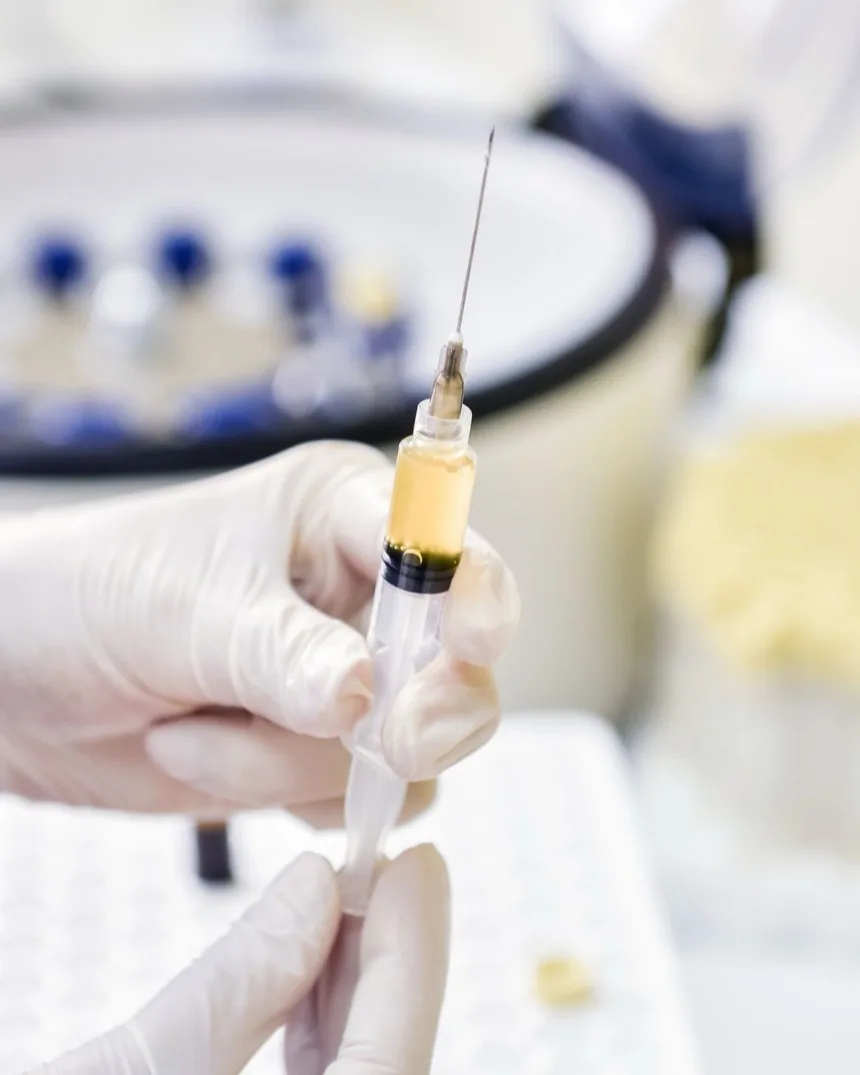 Regenerative Medicine
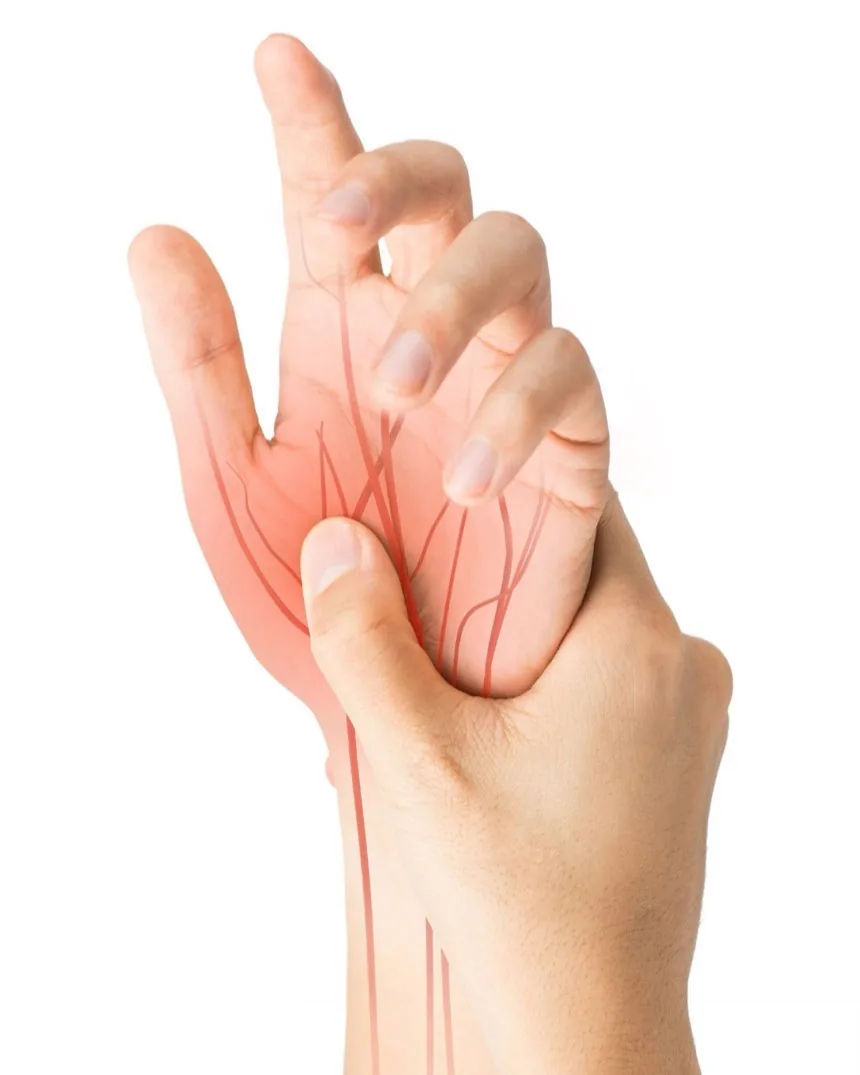 Nerve Hydrodissection & Nerve Blocks
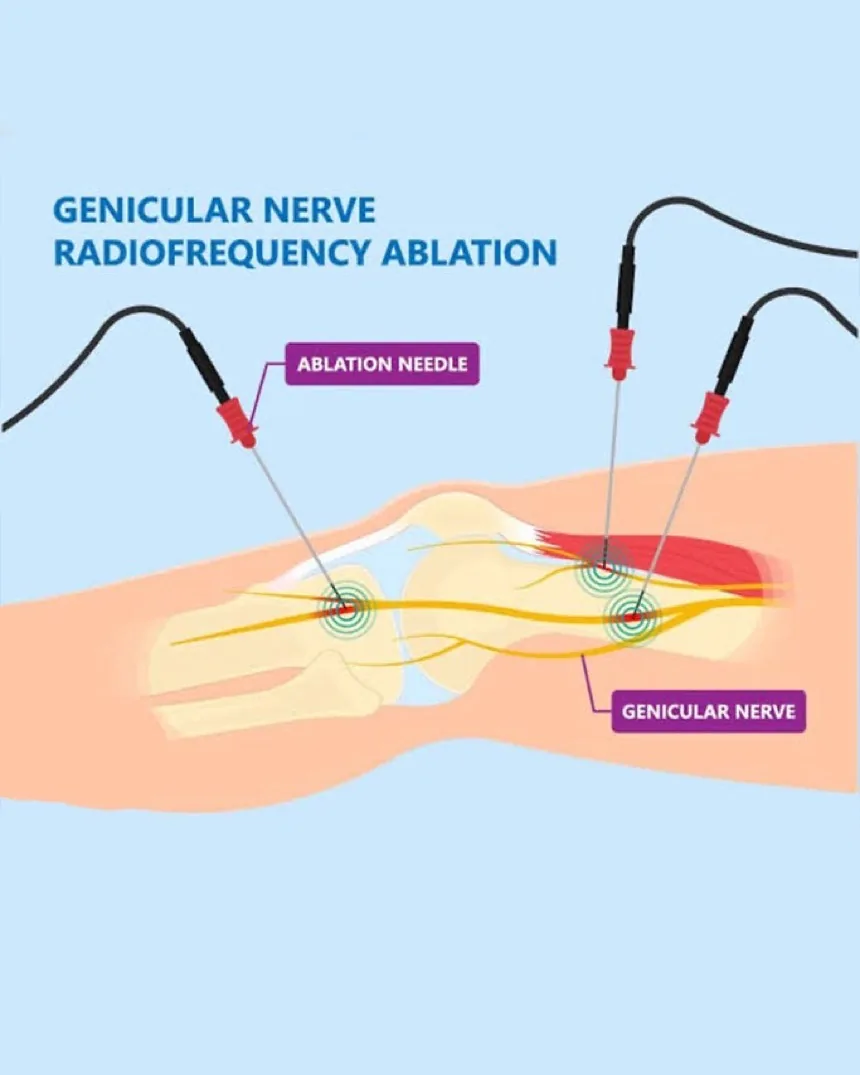 Radiofrequency Ablation