Neck pain is usually related to the facet joints or a disc in the cervical spine. At Halcyon in Hyderabad a medial branch block first identifies the joint involved, and cervical facet radiofrequency treats it only if the block confirms that joint as the source. Procedures are image-guided, under local anaesthetic, as day care, and you go home the same day.
What is neck pain?
Neck pain is pain arising from the cervical spine — the seven vertebrae in the neck, the discs between them, the small facet joints at the back, and the muscles and ligaments around them. A short bout after sleeping awkwardly or a long day at a screen usually settles by itself.
Pain that lasts for weeks or keeps returning more often comes from a facet joint or a disc, and it is worth finding out which before treating it.
Common causes of neck pain
Most long-standing neck pain comes from one of the following, and more than one can be present.
- Facet joint pain — wear or strain in the small joints at the back of the neck
- Disc problems — a worn or herniated disc, which can press on a nerve root and cause arm pain
- Cervical spondylosis — age-related wear through the neck
- Muscle strain from posture, long hours at a desk or phone, or stress
- Whiplash after a road accident or sudden jolt
Symptoms of neck pain
Neck pain can be a dull ache or a sharp pain, constant or brought on by certain movements.
- Stiffness and difficulty turning your head
- Pain spreading to the shoulder blade or top of the shoulder
- Headaches that start at the back of the head
- Pain, tingling or numbness running down the arm into the hand
- Muscle spasm in the neck and upper back
How Halcyon finds the cause
At Halcyon’s Kukatpally centre the consultant examines your neck and reviews any X-ray or MRI reports you bring. Wear in the cervical spine shows up on most scans after a certain age, so the scan alone cannot prove which joint is hurting.
A medial branch block is used to answer that question. It temporarily numbs the nerves supplying a suspected facet joint; if your usual pain settles, that joint is the source. The treatment then follows from that answer rather than from a guess.
Non-surgical treatment options at Halcyon
Treatment is aimed at the structure the examination and block have identified. The usual options are:
Posture, regular movement and a suitable exercise programme usually remain part of the plan.
- Medial branch block — confirms the painful facet joint and can ease the pain for a time
- Cervical facet radiofrequency — a precise current interrupts the small nerves carrying the pain signal from that joint, done only if the block has confirmed it
- If a disc pressing on a nerve root is the main problem, the consultant explains the approach for that at the consultation
What to expect on the day and after
Procedures are image-guided and done under local anaesthetic, so you stay awake and talking throughout. There is no general anaesthetic and no admission, and most people are home within about two hours.
Most people go about a normal day afterwards, with aftercare instructions and a review date. How long relief lasts varies with the cause and how worn the joints are, so the consultant gives you a realistic answer for your case.
When to see a doctor
Book an assessment if neck pain has lasted more than a few weeks, keeps returning or spreads into your arm. Go to a hospital emergency department instead if you have:
- Neck pain after a fall, road accident or other injury
- Sudden or worsening weakness in an arm or leg, or clumsiness of the hands
- Difficulty walking or loss of bladder or bowel control
- Neck pain with fever and a stiff neck, or a sudden severe headache
Treatments used for neck pain
Which one is right is decided by what the scan shows, not chosen in advance.
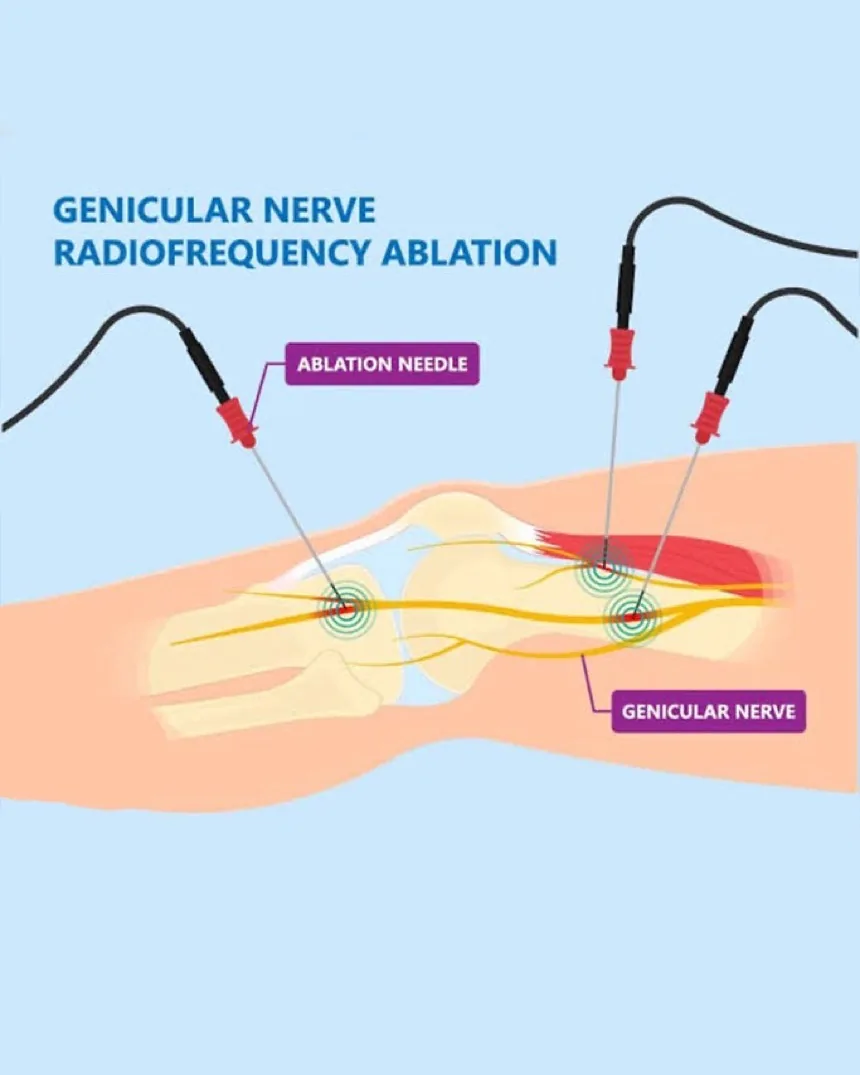 Radiofrequency AblationRadiofrequency ablation uses a precise, controlled current to interrupt the nerve that carries a pain signal.
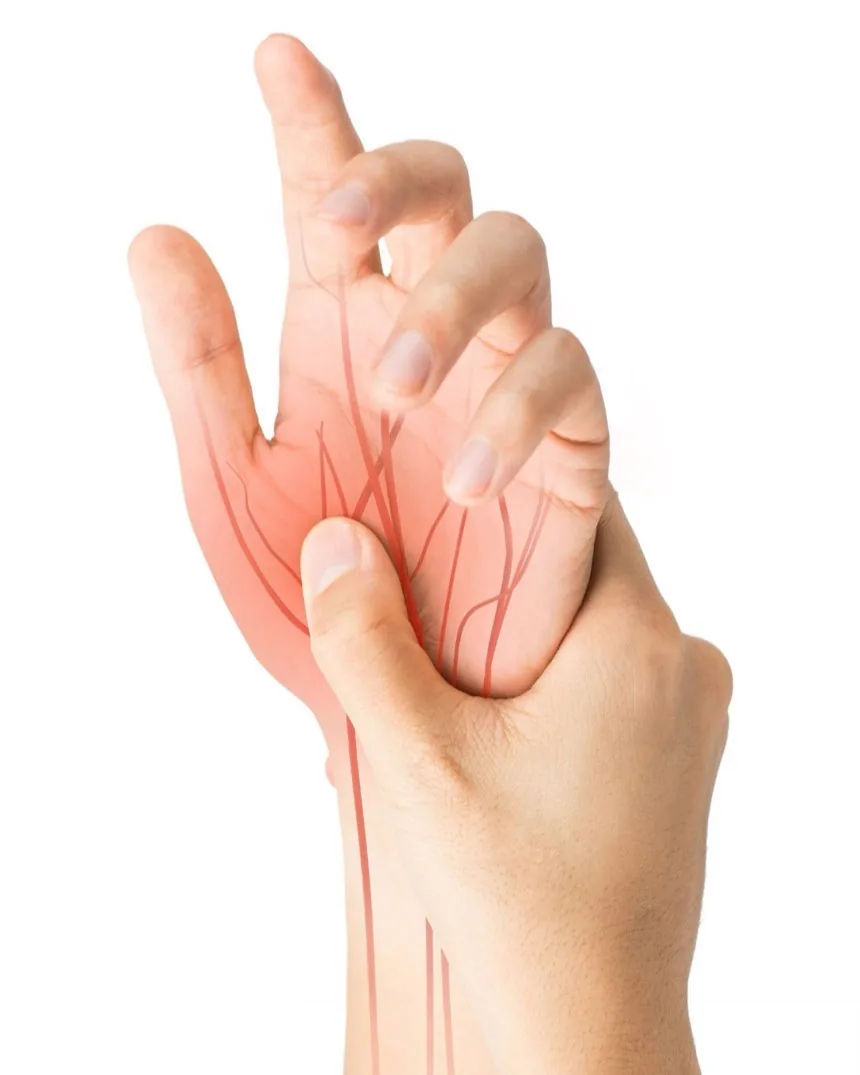 Nerve Hydrodissection & Nerve BlocksNerve hydrodissection uses fluid, placed under ultrasound, to separate a trapped nerve from the tissue pressing on it, leaving the nerve itself intact.
Questions about neck pain
Can neck pain be treated without surgery?
In many cases, yes. At Halcyon, neck pain from the facet joints is treated with a medial branch block followed, if the block confirms the source, by cervical facet radiofrequency. Both are image-guided, done under local anaesthetic as day care, with no general anaesthetic and no hospital admission. The right option depends on what is actually causing your pain.
What is cervical facet radiofrequency?
Cervical facet radiofrequency uses a precise current, delivered through a needle under imaging, to interrupt the small nerves that carry pain signals from a facet joint in the neck. It is never the first step. It is done only after a medial branch block has shown that the joint in question is the one causing the pain.
Why is a block done before radiofrequency?
Several structures in the neck can produce the same pain, and wear shows on most scans whether it hurts or not. A medial branch block numbs the nerves to one joint for a short time. If your pain settles, that joint is the source and radiofrequency can be aimed at it; if not, the plan changes.
Is neck pain the same as cervical spondylosis?
Not always. Cervical spondylosis means age-related wear in the neck, and it appears on almost every scan after a certain age, including in people without pain. Neck pain can also come from muscle strain or a disc. The examination and a medial branch block help show whether the worn facet joints are really what is hurting.
Why do I have arm pain with my neck pain?
Pain, tingling or numbness running down the arm often means a nerve root in the neck is being irritated, for example by a disc or narrowing around the nerve. Facet joints can also refer pain towards the shoulder. The examination sorts out which it is. Sudden or worsening arm weakness needs urgent medical attention.
What should I bring to my appointment?
Bring any recent X-ray, MRI or CT reports, a list of the medicines you take and notes from any earlier treatment for your neck. If you take blood thinners, tell the team when you book, since they need planning before an injection. Do not stop any medicine on your own; call +91 77880 91092 and ask.
 Cervical Spondylosis
 Shoulder Pain
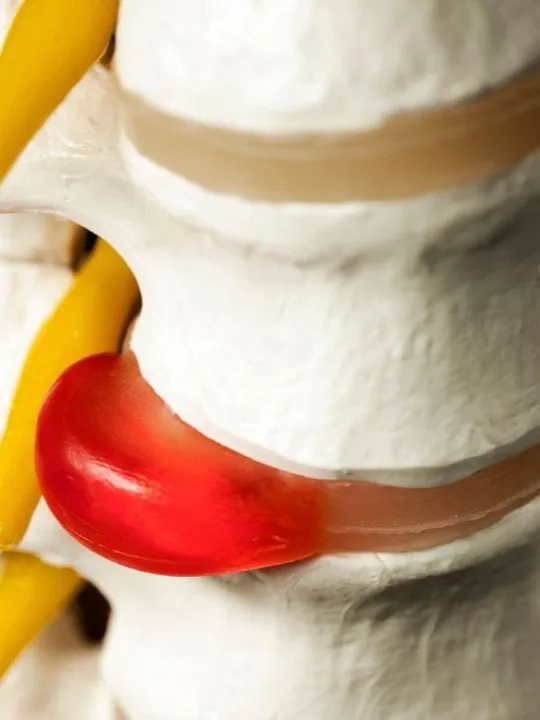 Slipped Disc