Most sports injuries are damage to a tendon, ligament or muscle, from a sudden strain or from overuse. At Halcyon the injury is scanned with ultrasound to grade the damage, then treated with regenerative therapy or prolotherapy so the tissue heals rather than just quietens down. Treatment is done under local anaesthetic as day care, and your return to sport is planned with you.
What is a sports injury?
A sports injury is damage to the body’s soft tissues or joints caused by exercise or sport. Some happen in a moment — a twisted ankle, a pulled hamstring. Others build up over weeks of repeated load, such as a sore Achilles in a runner or an aching elbow in a racquet player.
You do not need to be an athlete to have one. Gym training, weekend cricket, badminton and walking programmes all produce the same kinds of tendon and ligament problems.
Common causes of sports injuries
Sports injuries usually come from either a sudden overload or repeated stress that outpaces the tissue’s ability to recover. Typical examples include:
- Tendon overuse — Achilles, patellar, rotator cuff and elbow tendons
- Ligament sprains, most often at the ankle and knee
- Muscle strains, such as hamstring or calf tears
- Increasing training load too quickly, or too little recovery between sessions
- Poor technique, unsuitable footwear or an earlier injury that never fully healed
Symptoms of a sports injury
A sudden injury usually causes immediate pain, swelling and sometimes bruising. Overuse injuries tend to creep up: pain that starts after training, then during it, then on everyday activity. Tendon problems are often stiff and sore first thing in the morning and ease once warmed up.
Other signs include tenderness over one spot, weakness, reduced movement, or a joint that feels unstable or gives way.
How Halcyon finds the cause
The consultant examines the injured area and asks how it happened and how it has behaved since. The tendon, ligament or muscle is then scanned with diagnostic ultrasound in the same room. The scan shows whether the tissue is inflamed, partly torn or thickened from long-term overuse, and grades how much damage there is.
That grading decides the plan. A mildly overloaded tendon needs something different from a partial tear, and the scan also shows the consultant exactly where to place any injection.
Non-surgical treatment options at Halcyon
Sports injuries at Halcyon are usually treated with regenerative therapy or prolotherapy, placed under ultrasound. Both aim to help the tissue repair rather than simply dull the pain.
Which one you are offered depends on what the scan shows. Treatment normally sits alongside a graded rehabilitation and loading programme, because a healed tendon or ligament still needs to be built back up before it takes full sporting load.
- Regenerative medicine — a growth factor concentrate prepared from a small sample of your own blood, placed where the tissue has worn or torn
- Prolotherapy — a natural irritant injected into a slack ligament or tendon to restart the body’s repair response, usually as a short course of small injections
What to expect on the day and after
The examination, scan and procedure can all happen in one appointment at our Kukatpally centre. You stay awake under local anaesthetic, there is no admission, and most people are home within about two hours. Some soreness for a day or two after an injection is normal.
Return-to-sport timing is planned with you rather than handed to you. It depends on the tissue involved, the grade of injury and how it responds, and you will leave with aftercare instructions and a review date.
When to see a doctor
Book an assessment if pain lasts more than two or three weeks, keeps returning when you train, or stops you playing. Some injuries need emergency care rather than a clinic visit.
- A visible deformity, or you cannot bear weight or use the limb — possible fracture or dislocation
- A head injury with confusion, vomiting or loss of consciousness
- Numbness, pins and needles or a cold, pale limb after an injury
- Severe swelling that develops quickly, or fever with a hot, swollen joint
Treatments used for sports injuries
Which one is right is decided by what the scan shows, not chosen in advance.
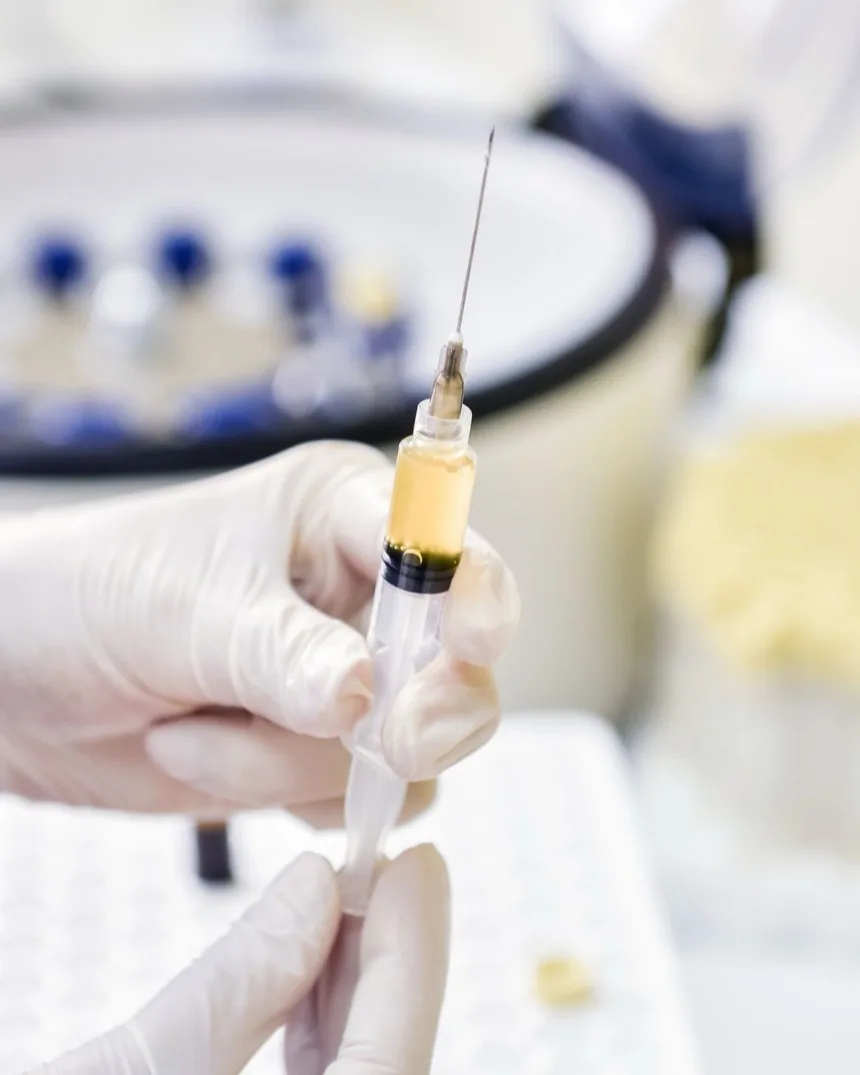 Regenerative MedicineRegenerative medicine at Halcyon means a growth factor concentrate made from a small sample of your own blood and placed under ultrasound exactly where a tendon, ligament or joint has worn or torn.
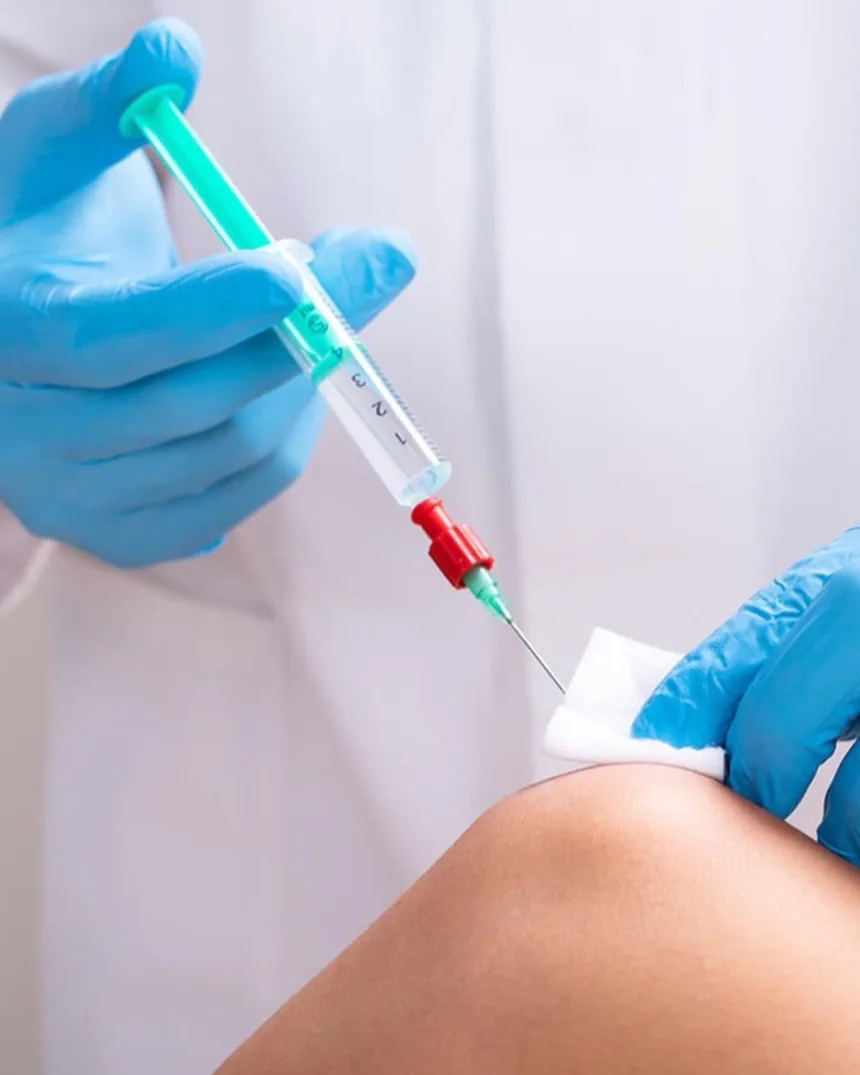 ProlotherapyProlotherapy is an injection treatment in which a natural irritant is placed into a slack or weakened ligament or tendon to restart the body’s own repair response.
Questions about sports injuries
Can a sports injury be treated without surgery?
Most tendon, ligament and overuse injuries can be. At Halcyon the injury is scanned to grade the damage and then treated with regenerative therapy or prolotherapy under ultrasound, under local anaesthetic as day care. Some injuries, such as a complete rupture or an unstable fracture, may need a surgical opinion, and you will be told that plainly.
What is the difference between regenerative therapy and prolotherapy?
Regenerative therapy uses a growth factor concentrate made from a small sample of your own blood, placed where tissue has worn or torn. Prolotherapy injects a natural irritant into a slack ligament or tendon to restart the body’s repair response. The scan decides which suits your injury.
When can I return to sport?
It depends on the tissue involved, how badly it is damaged and how it responds to treatment. Your consultant plans the return with you, usually alongside a graded loading programme, so that the tissue is strong enough for full training before you go back to it.
Do I need an MRI before coming in?
Not necessarily. Many tendon, ligament and muscle injuries can be assessed with diagnostic ultrasound during the consultation. If you already have an X-ray or MRI, bring the report — it often saves a second visit. The consultant will tell you if further imaging is needed.
Will the injection hurt?
The procedure is done under local anaesthetic, so you stay awake and talking but the area is numbed. Some soreness at the injection site for a day or two afterwards is normal, particularly after prolotherapy. The consultant will explain what to expect and how to manage it.
How do I book a sports injury assessment in Hyderabad?
Call Halcyon on +91 77880 91092, Monday to Saturday, 9 am to 6 pm. The centre is at Kukatpally Y Junction, above the Max showroom on Moosapet Road. Bring any scan reports and details of earlier treatment for the injury. Costs are explained at the consultation, before anything is booked.
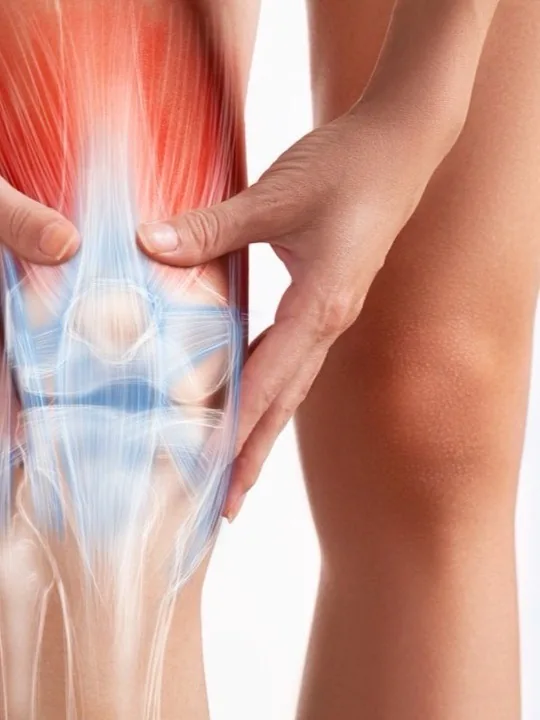 Knee Pain
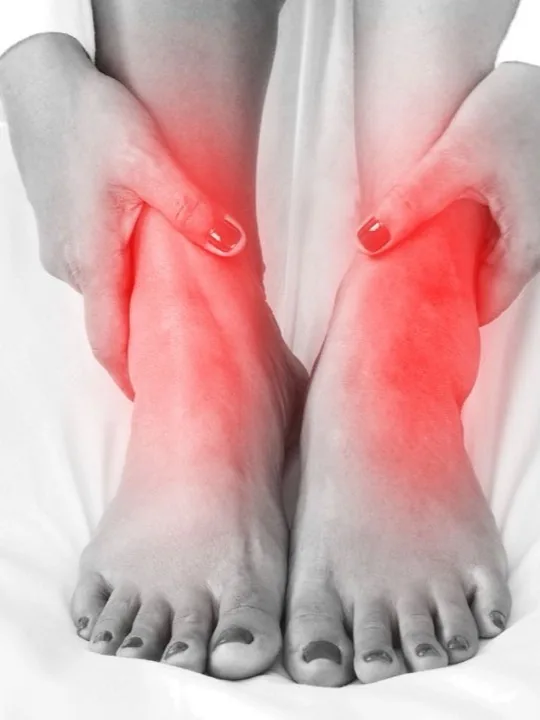 Foot & Ankle Pain
 Shoulder Pain